Learn How a General Contractor (GC) Can Boost Efficiency and Success in Your Construction Projects
A GC is crucial in the construction industry. Their expertise makes managing projects easier, leading to greater efficiency and positive results. By coordinating communication among involved parties and utilizing their network with subcontractors, they assist in navigating the complexities of construction projects. Knowledge of local codes also reduces potential compliance issues. This prompts a vital inquiry: how do these factors come together to improve the building process?
The Role of a GC
A general contractor orchestrates the complex process of building projects, guaranteeing everything runs smoothly from start to finish. They act as the primary contact, coordinating between various involved parties, including owners, subcontractors, and suppliers. This role involves meticulous planning, scheduling, and budgeting to keep projects on schedule and financial constraints.
The contractor manages all construction activities, making sure they follow with building codes, safety regulations, and quality standards. They are responsible for obtaining necessary permits and addressing any legal requirements related to the project. In addition, they oversee the crew, assigning tasks to tradesmen while watching output and productivity.
In addition to supervising site activities, the contractor addresses any issues or delays that arise, adjusting strategies as necessary to maintain the project schedule. This comprehensive management is crucial for reducing risks and ensuring the successful delivery of building endeavors.
Benefits of Hiring a General Contractor
Employing a GC provides many benefits that can vastly boost the efficiency and success of a construction project. One major advantage is their skill in overseeing complex projects, allowing for streamlined communication among various project participants. This consolidation lowers communication errors and helps avoid setbacks.
Furthermore, general contractors possess established relationships with subcontractors and suppliers, ensuring timely access to quality materials and expert tradespeople. This connection can lead to reduced expenses and faster completion times.
They also bring a lot of expertise concerning local construction laws and rules, which assists in avoiding regulatory problems and expensive penalties.
Furthermore, hiring a general contractor allows project owners to focus on their core business activities, instead of being burdened by day-to-day construction administration. In conclusion, the involvement of a general contractor can result in a better structured, streamlined, and successful building project, ultimately leading to a higher return on investment.
Core Duties in Project Management
Good project oversight depends on several key responsibilities that a general contractor needs to maintain during the project's duration. A primary aspect of this job is setting up a precise project outline, which outlines the objectives, deadlines, and financial limits. The GC works closely with different parties, such as architects, specialized contractors, and suppliers, making sure communication is fluid and teamwork.
Moreover, they handle assigning resources, overseeing workers and materials to optimize efficiency. Risk assessment is another critical responsibility, as the contractor has to spot potential problems and develop plans to lessen their impact. Frequent oversight of work is crucial; the contractor assesses finished work compared to project goals, adjusting plans as necessary to stay on track.
Moreover, a general contractor ensures adherence to building laws and safety guidelines, creating a safe workplace. Via these tasks, they ensure a comprehensive method in project oversight, driving overall success in building projects.
Methods GCs Use for Timely Project Delivery
Even though timeline issues often arise in building, general contractors employ strategic planning and forward-thinking oversight to secure on-time delivery. They begin by developing thorough schedules that detail every stage of the project, including milestones and deadlines. When separating the work into smaller tasks, they manage resource distribution well and predict future holdups.
Consistent tracking of work is also a vital element; general contractors check the current standing compared to the set schedule, permitting changes when needed. They also engage in risk management, recognizing potential hurdles quickly and creating backup strategies to mitigate disruptions.
In addition, general contractors maintain strong relationships with suppliers and specialized workers, guaranteeing labor and materials are accessible when needed. This forward-thinking method encourages responsibility among all stakeholders, resulting in a streamlined workflow. Finally, these approaches bring about greater effectiveness, minimizing the chance of schedule delays and ensuring that projects are delivered punctually.
Improving Communication and Collaboration on Site
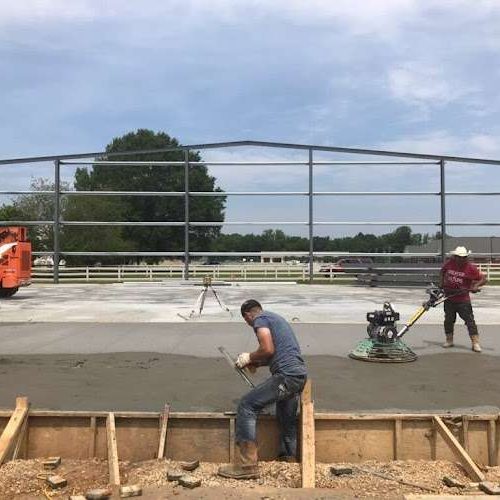
To improve dialogue and teamwork at job sites, GPs establish formalized methods that facilitate information flow for everyone involved. These processes often include scheduled gatherings, unambiguous methods for issue reporting, and the utilization of software that enable immediate status reports. By establishing a framework for dialogue, contractors guarantee that all stakeholders—architects, subcontractors, and workers—are united regarding project goals and timelines.
Moreover, fostering a culture of transparency aids in tackling problems immediately, minimizing the chance of misunderstandings that might cause holdups. They also solicit opinions from every tier of personnel, understanding that knowledge from field workers can considerably improve project efficiency. By making communication a priority and collaboration, general contractors don't just simplify procedures but also improve staff spirit, which helps ensure the success of building projects. The result is a better integrated workplace where challenges are met with shared solutions.
Frequently Asked Questions
Which Credentials Should I Seek in a General Contractor?
When seeking a general contractor, one should look for attributes such as proper licensing, insurance, experience in relevant projects, strong references, and effective communication skills. These elements significantly add to take the first step smooth project delivery and total customer contentment.
What is the Process for GCs Regarding Project Budgeting?
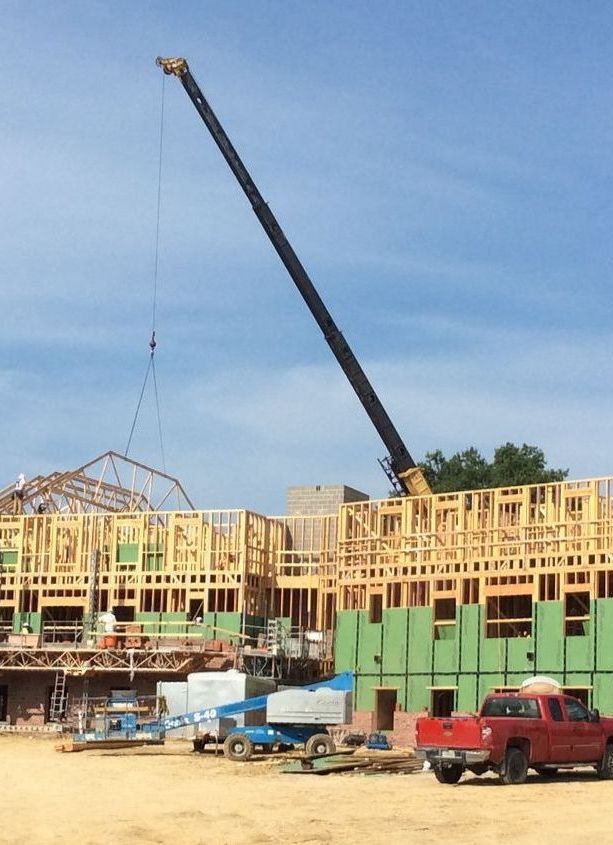
General contractors handle job finances by determining prices, obtaining quotes from subs, keeping tabs on spending, and adjusting budgets as necessary. Hickory top rated Commercial General Contractor. They make certain that money align with project requirements, maximizing efficiency and reducing monetary exposure
Will a General Contractor Aid With Permits and Regulations?
Yes, a general contractor can assist with permits and regulations by guiding through the complex requirements, ensuring compliance with local laws, and streamlining the submission procedure, ultimately streamlining project progression and lessening the chance of client postponements.
How Long Does It Usually Take for Hiring a General Contractor?

The average period for hiring a general contractor ranges from a few weeks to several months, based on the complexity of the project, the availability of the contractor, and the client's decision process, to ensure proper planning and alignment with construction goals. - Hickory top rated Commercial General Contractor
- Hickory top rated Commercial General Contractor
What Methods Do General Contractors Use to Effectively Manage Subcontractors?
Effective management of subcontractors by general contractors is achieved by setting up clear lines of communication, setting defined expectations, regularly monitoring progress, and aligning timelines. They guarantee that all parties understand their roles, promoting teamwork to maintain project timelines and copyright quality standards.